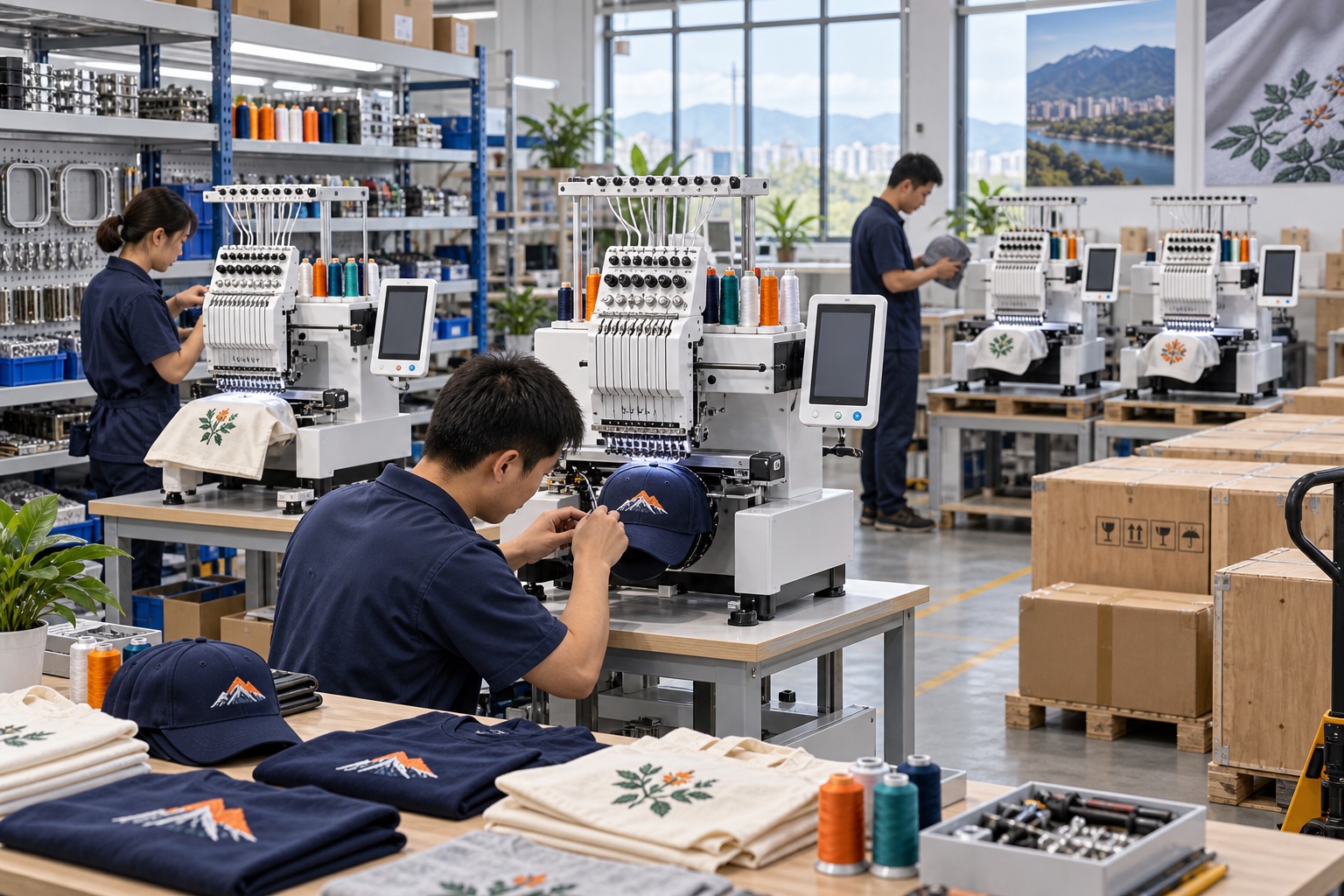
Zhuji, Zhejiang is associated with a concentrated embroidery-machine supply chain. For buyers, the practical value is access to machine assembly, components and export experience within one sourcing region.
A cluster improves comparison access
Buyers can compare compact single-head and two-head formats, working areas and attachments without limiting the discussion to one oversized production model. Nearby component and service resources can also support configuration and parts planning.
The cluster is a starting advantage, not a substitute for supplier evaluation.
Evaluate the specific supplier
Ask who assembles the machine, how quality checks are recorded, which parts are standardized and how technical support is delivered after export. Request a clear quotation and pre-shipment inspection plan.
A supplier should be able to explain why a proposed configuration fits your product mix.
Use proximity for customization carefully
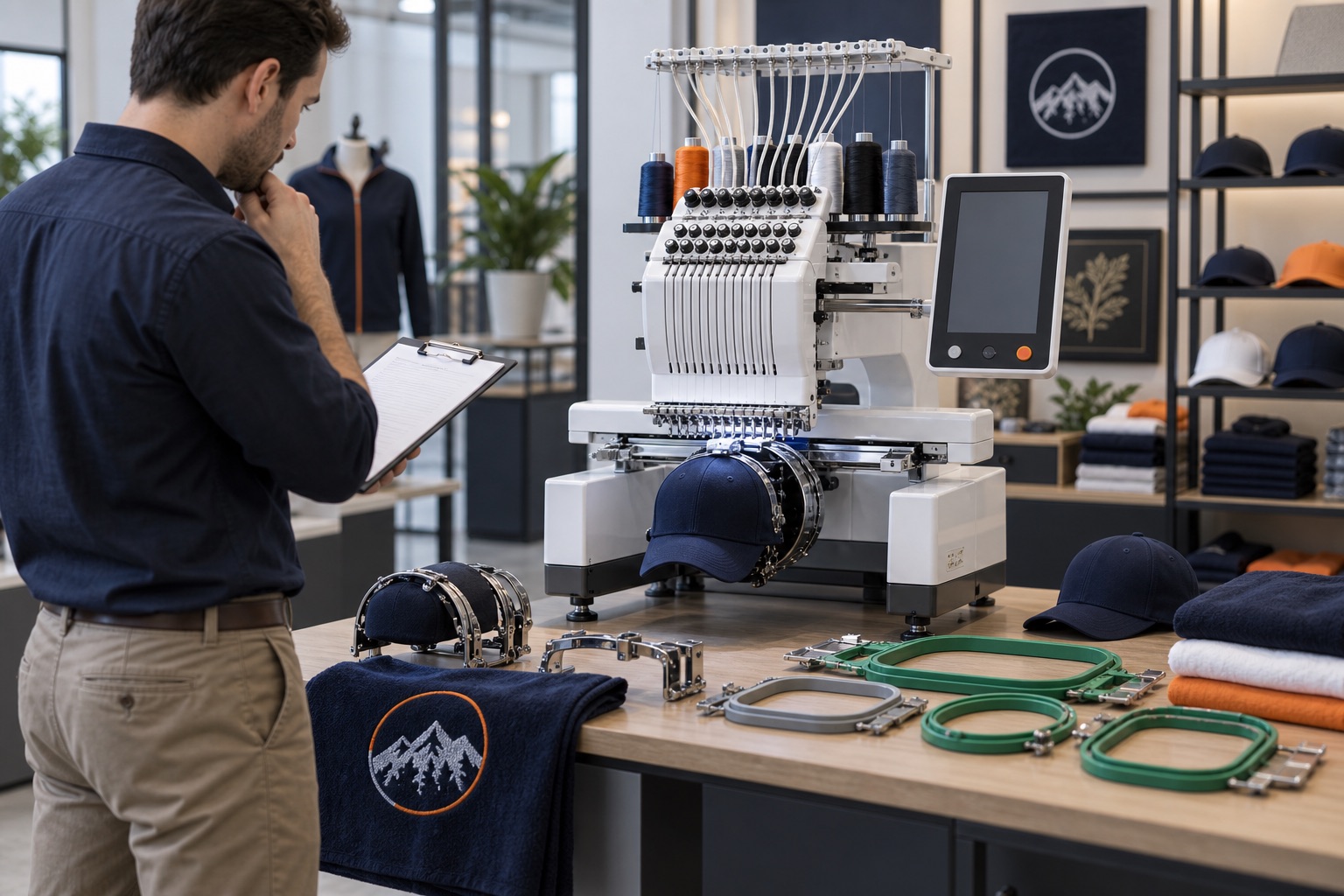
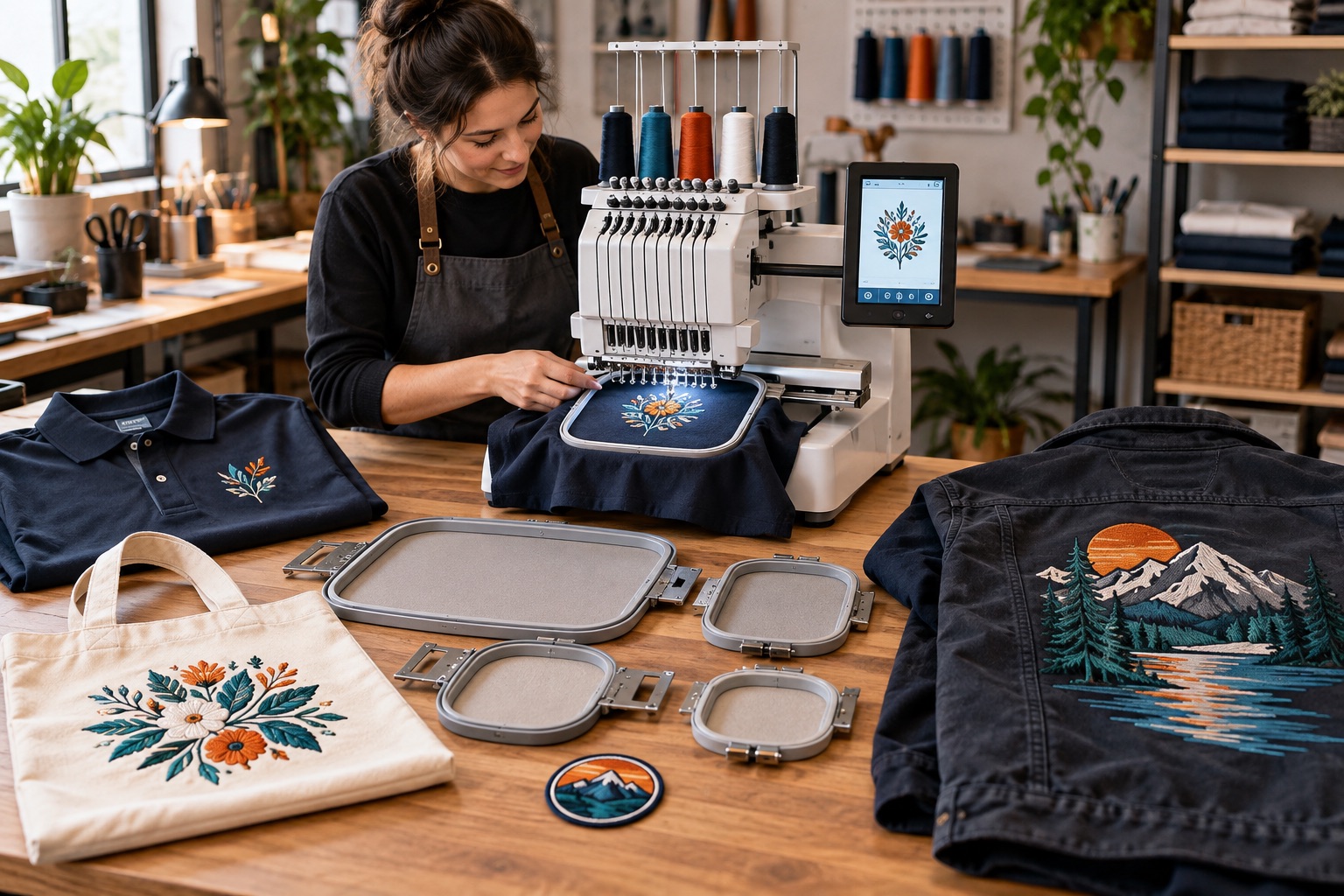
Access to attachments and components can make it easier to configure a machine for caps, flat goods, patches or special items. Every requested change should still appear on the order specification and be tested where practical.
Avoid treating verbal customization promises as confirmed production details.
- Supplier identity and assembly responsibility
- Configuration and component transparency
- Quality-control evidence
- Export documentation experience
- Training and spare-parts process
- Written customization details
Start with one well-specified machine
For a new or growing shop, an MOQ-one order can be a controlled way to evaluate the machine, supplier and support experience. The goal is not simply to buy from a cluster, but to use that cluster to source the right compact machine.
Machine configurations, commercial terms and support scope vary. Put the agreed details in your quotation and configuration sheet before ordering.